High Passes and Limestone Valleys: A Week in South Tyrol
Where Germanic order softens into Mediterranean warmth, alpine meadows give way to pale jagged peaks that blush coral in late afternoon sun.
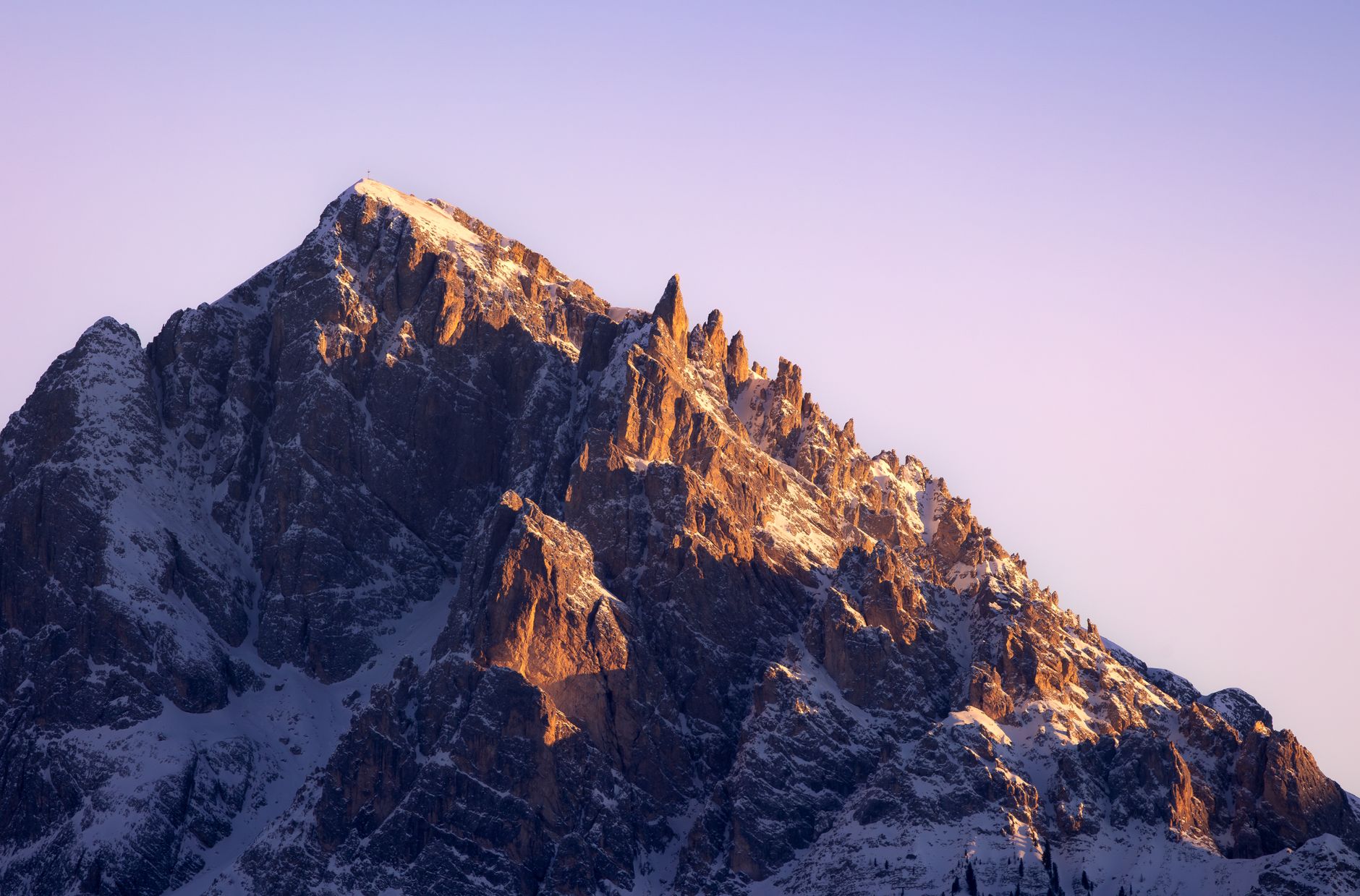
The Dolomites possess an almost theatrical grandeur that sets them apart from the granite massifs of the Western Alps. Composed of fossilized coral reefs uplifted from prehistoric seas, these limestone spires rise with astonishing verticality above emerald alpine pasturelands.
The Ritual of Enrosadira
Locals call it enrosadira: the fleeting phenomenon when setting sunlight strikes the magnesium-rich cliffs, turning cold gray rock into vivid amber, violet, and rose quartz. At Rifugio Lagazuoi, positioned at 2,752 meters, the display is witnessed in complete silence by hikers gathered on the wooden panoramic deck.
“Standing upon these ancient seabed ridges, one realizes that time in South Tyrol is measured in epochs, not train departures.”
Practical Field Recommendations
- Best Season: Mid-September through late October offers stable weather, crisp golden larch needles, and fewer trail encounters.
- Footwear: Stiff Vibram-soled mountaineering boots are mandatory for scree slopes.
- Lodging Protocol: Reserve high-altitude rifugi at least four months in advance for autumn crossings.
As evening fog fills the valleys below, the warmth of wood-fired Stuben, knödel dumplings, and dark lagers restores vitality for the following dawn crossing.